Differences, Nutrition, And Health Truth
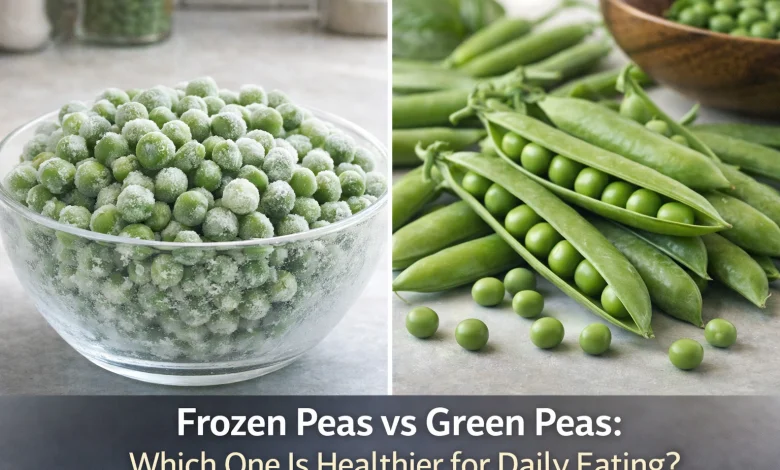
Frozen peas vs green peas are widely used in Indian households. Many people believe fresh peas are healthier, while frozen peas are often misunderstood. Knowing the real difference helps you choose wisely.
Frozen peas and fresh green peas are common ingredients in many kitchens. Many people wonder if frozen peas are healthy or less nutritious than fresh ones. Understanding their differences helps you make better food choices.


What Are Green Peas
Green peas are harvested and sold in their natural form. They are usually available during the winter season in India. Their freshness depends on how quickly they are consumed after harvest.

Fresh peas are often transported over long distances. This delay can lead to gradual nutrient loss if they are not eaten immediately.
What Are Frozen Peas
Frozen peas are fresh green peas harvested at peak ripeness. They are lightly blanched and flash frozen within hours. This process helps preserve their nutrients and natural color.
Freezing stops nutrient breakdown caused by air and light. As a result, frozen peas remain stable for several months.
Key Differences Between Frozen Peas and Green Peas
| Aspect | Fresh Green Peas | Frozen Peas |
|---|---|---|
| Nutrients | High when eaten immediately | Often better preserved due to quick freezing |
| Texture | Crisp and naturally sweet | Slightly softer after thawing |
| Shelf Life | Around 3 to 4 days in fridge | Around 6 to 8 months in freezer |
| Availability | Seasonal, mainly winter in India | Available throughout the year |
| Convenience | Need shelling before cooking | Around 6 to 8 months in the freezer |
| Cost | It can be costly off-season | Usually affordable year round |
Difference in Taste and Texture
Fresh green peas have a sweet and crunchy texture. They work well in salads, stir-fries, and lightly cooked dishes. Many people prefer their natural bite.
Frozen peas become softer once cooked. However, they still retain good sweetness and blend well in curries, pulao, soups, and sabzi.

Nutrition Comparison of Frozen Peas and Green Peas
Both frozen and fresh peas are rich in fiber, plant protein, and antioxidants. They also provide vitamins A, C, and K, which support immunity and bone health.
Frozen peas often retain vitamin C better. Fresh peas may lose up to half of their vitamin C within days of storage.
Nutritional Value Per 100 g
| Nutrient | Fresh Green Peas | Frozen Peas |
|---|---|---|
| Calories | 80 kcal | 80 kcal |
| Protein | 5 g | 5 g |
| Fiber | 5 to 6 g | 5 to 6 g |
| Vitamin C | Decreases over time | Better preserved |
| Iron | Moderate | Moderate |
Shelf Life and Storage Comparison
Fresh green peas have a short shelf life. They usually stay fresh for three to four days in the refrigerator. If not used quickly, they can lose taste and nutrients.
Frozen peas can last six to eight months in the freezer. This longer storage reduces food waste and ensures availability anytime. It is especially helpful when fresh peas are not in season.
Convenience and Cooking Ease
Fresh peas require shelling before cooking. This can take time, especially when preparing large meals. Some people enjoy this process, but others find it inconvenient.
Frozen peas save time because they are already shelled and cleaned. You can simply rinse and cook them directly. This convenience makes them ideal for quick daily cooking.
Are Frozen Peas Healthy or Unhealthy
Frozen peas are healthy and safe to eat. They are low in calories, rich in fiber, and provide essential vitamins. This makes them suitable for balanced diets and weight management.
Quality frozen peas usually contain no harmful additives. Always check the packaging to ensure there are no added preservatives. Choosing trusted brands helps maintain health benefits.
Health Benefits of Eating Peas
Peas support digestion because of their high fiber content. They help maintain gut health and may reduce constipation. Fiber also supports heart health by controlling cholesterol levels.
Peas are a good plant protein source. This helps muscle maintenance and provides energy. They are also beneficial for vegetarians looking for protein-rich foods.
Common Myths About Frozen Peas
Some people think frozen foods always contain preservatives. In reality, freezing itself preserves the food without chemicals. Good-quality frozen peas are simply frozen fresh peas.
Another myth is that frozen peas are less nutritious. Research shows nutrient loss is minimal due to quick freezing. In some cases, they retain vitamins better than stored fresh peas.
Which Is the Better Choice
Green peas are a great choice when they are in season. They offer excellent taste and natural sweetness. If you value flavor most, fresh peas can be better.
Frozen peas are ideal for convenience and year-round nutrition. They are often affordable and require less preparation time. Many health experts consider them equally nutritious.
Also Read: 10 Daily Habits That Can Flip Cancer Risk Upside Down
Health Verdict
Eating either frozen peas or green peas is completely healthy. Both offer similar nutrition and health benefits. Neither option is wrong when consumed in balanced amounts.
Choose fresh peas for taste and seasonal enjoyment. Choose frozen peas for convenience, longer storage, and reliable nutrition. Including both in your diet can be the best approach.
Conclusion
Frozen peas and fresh green peas each have their advantages. Frozen peas offer convenience, longer shelf life, and stable nutrition. Fresh peas provide excellent taste and seasonal freshness.
From a health perspective, both are good choices. The key is proper storage, balanced cooking, and mindful eating. Adding peas regularly to your meals supports overall health and nutrition.
Stay Connected With Sociallyadda.com For More Updates